A Golden Swan…

I’ve been doing a lot of birding lately. In the last week, I managed to get to Chagrin River Park, Nimisila Reservoir, Portage Lakes Turkeyfoot Lake, Killbuck Marsh-Wright Marsh, and Sandy Ridge Reservation. I got lots of FOY birds, and my count for the year is now at 62, an ok-enough number. Not that I’m birding for my count.

I went to a new birding hotspot for me on Sunday, the Wright Marsh in Wayne County, southwest of Wooster. It was not fun. There are two entry areas, and the first is at a deadend with a small lot for cars. I parked there, got the scope all set up, and headed out. this was a close to bushwhacking I’d ever done, walking down a tight path leading into a wide open field of scrub brush and long grasses. I just stood there for a bit; I could see the marsh, but wasn’t sure of where to go. I walked a bit toward the marsh on what appeared to be a very basic trail, and then I just stopped. It was likely the first time I didn’t feel safe. I wasn’t overly certain of the path back and I decided to go no further. So I walked back to the car, and on the way flushed a Woodcock! FOY!

Now the reason for my going to Wright was to hopefully see a Bewick’s Tundra Swan. It’s a eurasian Tundra Swan, marked by a large patch of yellow on the base of the bill by the eye, nearly 50% of the entire bill, and is a rarity. After getting back to my car, I drove to the second egress into the marsh. Hoisting the scope on my shoulder, I headed out to see what I could. This particular part was diked into several areas, and it was the furthest pond that people were gathered at. The reports from the day prior were more than 120 Tundras plus the Bewick’s. I got to the end by the pond where they were reported, only to learn that about an hour before, they had all flown away. Not a single swan was present. Tallk about timing, as the Bewick’s was with the flock, and now gone. It just made for a bad day overall. I stayed for awhile, looking at all the Canada Geese, some Wigeons and Pintails, and that was about it for me. I had had it, so I drove home.

Today was a decent day at Sandy Ridge. Its been a beautiful day, 70F in early March and full of sunshine. Surprisingly, I didn’t see any of the usual suspects; Downy Woodpecker, Tufted Tit, Nuthatch – I didn’t even hear one. But it was a good day for ducks, with American Wigeon, Hooded Merganser, Ring-billed Duck, Lesser Scaup, and FOY Northern Shovelers. I also got to watch a wonderful Cooper’s Hawk soar in the sky above me, and that was picturesque. A pair of Eastern Bluebirds seemingly followed me around the walkway, singing loudly on a branch about six feet away from me. Canada Geese were nesting all over, and many couples were looking for an appropriate nesting place. And there were two Tundra Swans, so majestic even in their molt, their loud honking calls going as they took off in flight to another part of the large pond. But still no warblers yet.

At Portage Lakes I got a number of different duck species, a whole gaggle of Coots – there seems to be Coots all over the place – and the special bird, Horned Grebes. At Nimisila, I continue to check for the return of Yellow-rumped and Pine Warblers, but nothing as yet. The Double-crested Cormorants are back to begin nesting on their special tree. Today I went back to Nimisila to follow a report from yesterday of an Eared Grebe, but I dipped.

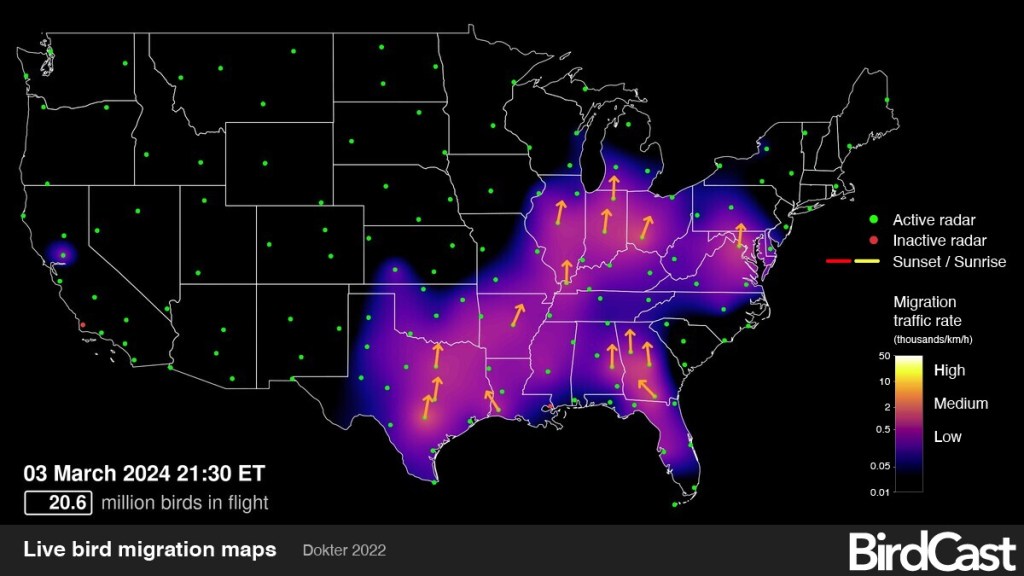
Here’s the latest mosaic for March 3rd…. movement is really starting to pick up!
Scoping out ducks – birds on the move

And so it happened today. I was at Mogadore Reservoir scoping a raft of Ring-necked Ducks when I went back to the car to get my camera. I then proceeded to set up for taking a picture, and the words flashed: “no card in reader.” I had left my sd card at home… no pictures. This is the first time that I have done this ever, and I was more than a little frustrated. So, no pics of pretty ducks in a row.

I did, however, get the opportunity to try out my new spotting scope set-up, and it’s great. The weight now is perfect since I swapped out the tripods. And the tripod/head combo is sturdy in the field, providing a perfectly shake-free viewing through the scope. The scope viewing area is bright at all levels of magnification, and focusing was easy to get a nice, sharp image. It was exciting to view the Ring-necks, American Wigeons and a lone Redhead through the lens of the scope, up close and personal. Zooming in is nice and smooth, and maintains overall sharpness as the subject takes up more of the field-of-view.

On another note, the birds, they are on the move. Northern Pintails have been around and are almost gone from local haunts, as have other ducks such as Scaup, Bufflehead, Redhead and Canvasback. Ring-necked Ducks are still foraging locally, as evidenced today, and by other field trip reports, and Green-winged Teal have begun to show up. There aer also some Northern Shovelers still foraging about. Red-winged Blackbirds have shown up in fair numbers, Grackles are being seen, as well as Towees and Meadowlark, and there are reports of Killdeer being seen, and also Yellow-rumped Warblers. So there is a continuing shift of birds occurring, as we head toward the main push of ducks, and the beginnings of shorebirds. The Bird Migration Forecasts start up on March 1st, so that data will be interesting to follow.

New new year and days…

Well… its been a long time since I have written anything here. I had my absolute best year in 2020, but became disillusioned with a few things and actually quit birding since that time. I would occasionally look out for birds on my trips around the state, but no serious birding for me at all. I even sold my Zeiss spotting scope, and my beloved Zeiss Victory SF bins, which I could kick myself about. But with the opening of 2024, I’m back to birding, and I don’t really care about max numbers of species seen or any competitive stuff, I just want to see the birds.

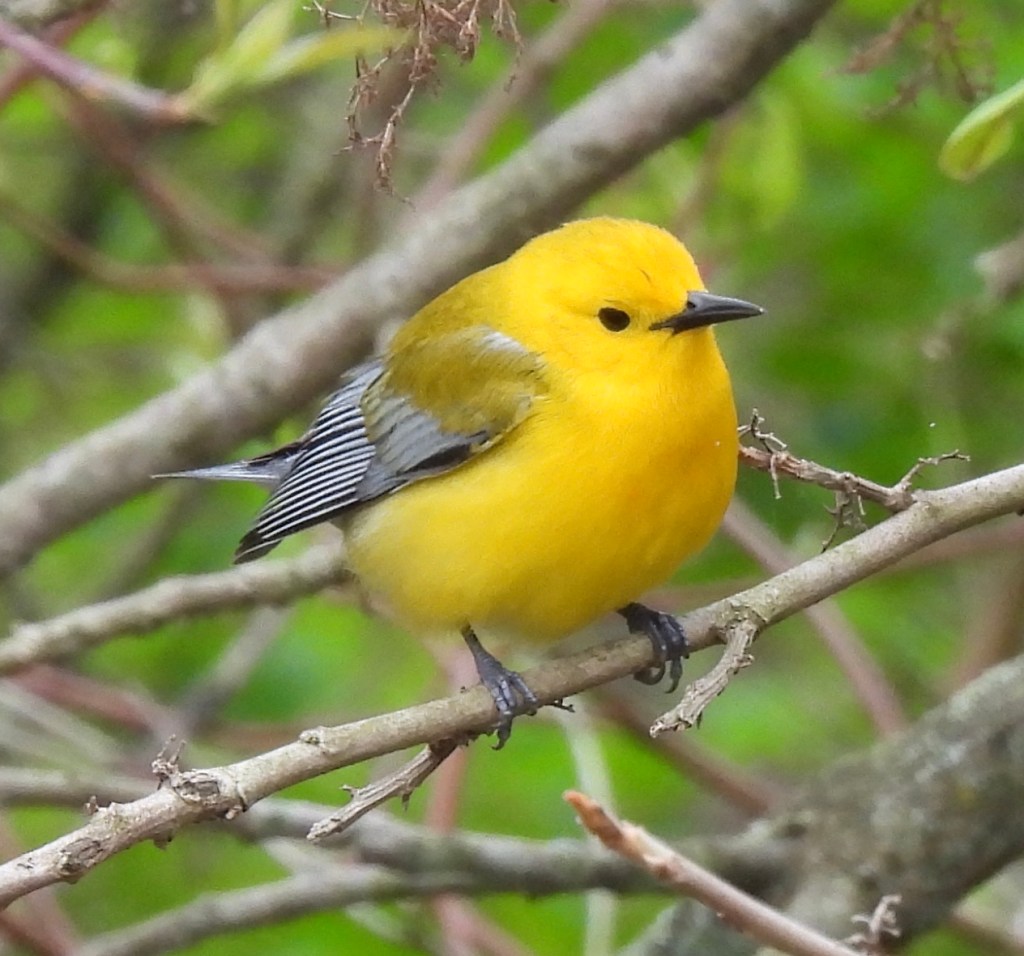
I recently got a new pair of bins, the Zeiss Conquest 10×42’s, and also a new birding camera, back with the ole reliable Nikon Coolpix 950; it’s really a beast in the field and I’ve taken so many great images with it, like the lemon below:

So, now I’m kind of back with a vengeance, and looking forward to mid-May, when all of the beauties return to our landscape to show off their colors. I’ve already scheduled an overnight to Grayling, Michigan to observe the rare Kirtland’s Warbler in its breeding habitat. Hoping that maybe I might get lucky and catch a Cerulean as well… who knows?

I’ve already begun birding at all of my old haunts, notably Portage Lakes, Summit Lake, and Fairport Harbor thus far. I’ve seen tons of Coots everywhere, and Red-breasted Mergansers appeared in notable numbers in mid-January, but have seemed to disappear. I’m not seeing anywhere near the numbers of ducks as in past years, and have yet to even see a Bufflehead, though yesterday I did catch Canvasback and Redhead individuals.

So, here we go again… lets see if we can have some fun and see lots of birds this year. I feel that everything is coming earlier than usual, and that ranges may be changing, as there had been a fair number of rares seen over the past couple of months… the Ancient Murrelet in NE Ohio-Lake Erie, and there’s still a Red-flanked Bluetail being observed in New Jersey!

Please feel free to say ‘hi’ and I’m always looking to bird with others, if you live in NE Ohio. Also please note: this website is “KeriBirder.life,” not to be confused with KeriBirder.com. 

Spring Migration, Part One

Preface
This post is the first part of what to anticipate during migration this spring here in northern Ohio. Everything presented is based on data that I acquired from the Black Swamp Bird Observatory (BSBO), and later on I’ll be presenting specific species to watch for, based on their peak banding counts by BSBO for last spring.

Part One covers what we have already observed over the past two weeks or so, and what to expect during the first half of April. Part Two will cover the second half of April, which comprises the first of three major migration waves expected to hit northern Ohio. Part Three will cover the month of May, when the second and third migratory waves are anticipated, and what to expect when, broken down by weeks and dates. I hope that you find this information useful, and remember, these are guidelines, not absolutes!

So, here we are at the end of March, and birds are moving. Meadowlarks, Grackles, Red-wing and Rusty Blackbirds, Tree Swallows, Eastern Phoebes, Kinglets, and other birds have rushed in. We are in the middle of waterfowl migration, likely at its peak right about now, with Loons showing up everywhere, Red-breasted Mergansers too numerous to count, and rarities like Long-tailed Ducks and Red-throated Loons making appearances. Blue-winged Teal are starting to pop everywhere, and Bonaparte’s Gulls have been showing up at many reservoirs and lakes.

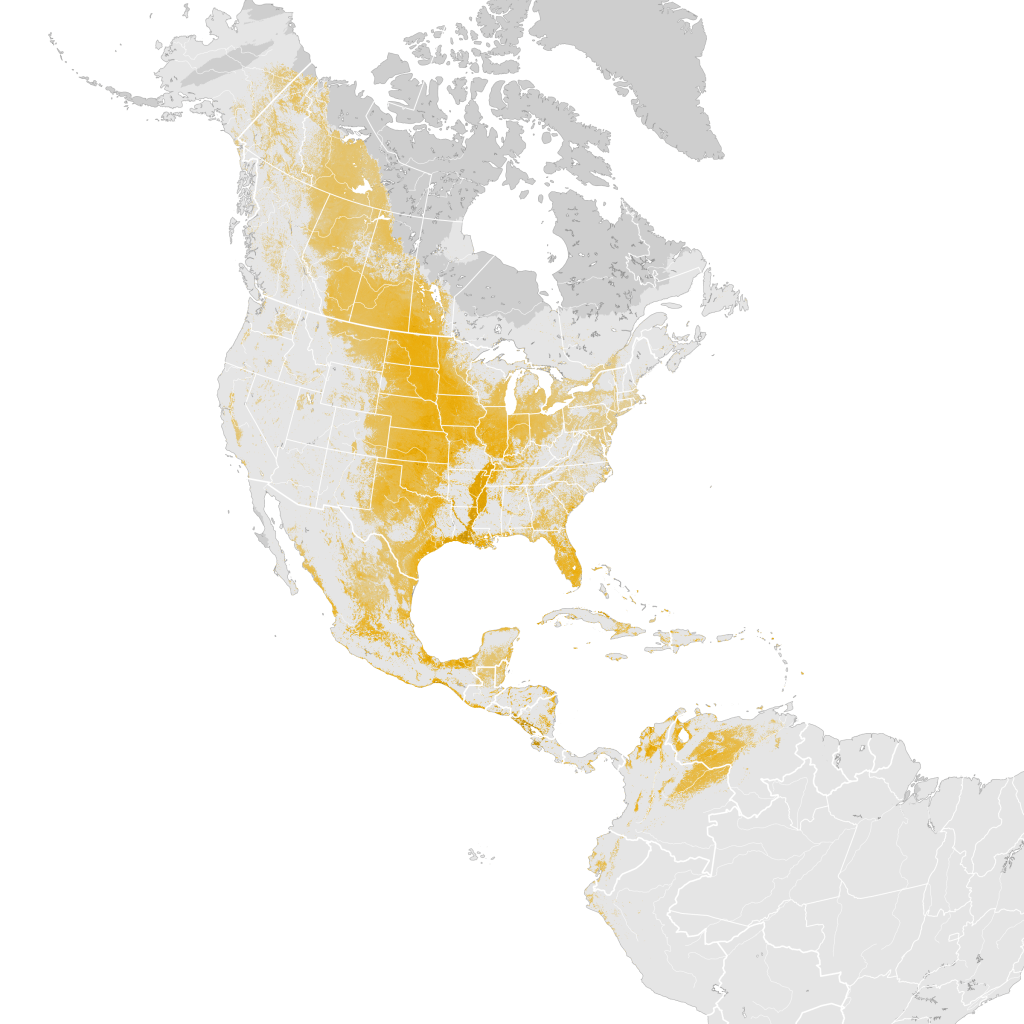
Pre-breeding migration for Blue-winged Teal ~ Cornell Lab of Ornithology

Shorebirds like Pectoral Sandpipers, and Greater and Lesser Yellowlegs are popping in certain marshy areas. Coots have been reported in great numbers at many hotspots, and raptors are starting their migration as well. The coming week or so should see good movement of Red-shoulder Hawks, Bald Eagles, and the continued increased presence of Turkey Vultures.

Next Week ~ April
The first half of April promises to be busy, as migration ramps up toward its climax in mid-May. Waterfowl movement will remain heavy, gradually declining throughout April. The raptor migration will continue, as Red-shoulder and Rough-legged Hawks continue their movement north. Sadly, Hawk Mountain is closed to visitors due to COVID-19, but look toward the skies in other places and you might see Cooper’s and Sharp-shinned Hawks, perhaps even a Golden Eagle.

Early shorebird migration will continue and begin to ramp up as well, with American Golden Plovers on the move. Expect an influx of Flickers, Hermit Thrushes, Winter Wrens, Fox Sparrows, and Yellow-rumped Warblers. Pine Warblers are also beginning to appear in the lower to mid-half of Ohio.

Duck Duck Go…

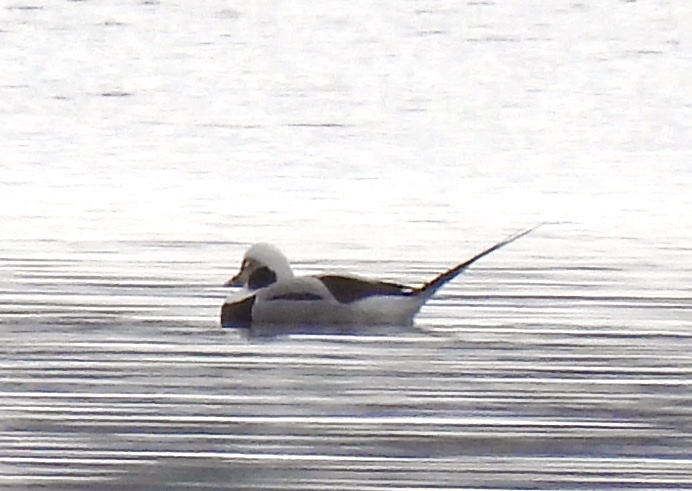
Several reports came in to Ohio Chase Birds on Facebook about the appearance of Long-tailed Ducks, including LaDue Reservoir, SIppo Lake, and Alum Creek. I managed to tick five individuals, including the male above, at Sippo Lake in Stark County. This on the heels of great numbers of Red-breasted Mergansers observed yesterday, appearing almost everywhere. Spring waterfowl migration is in motion.